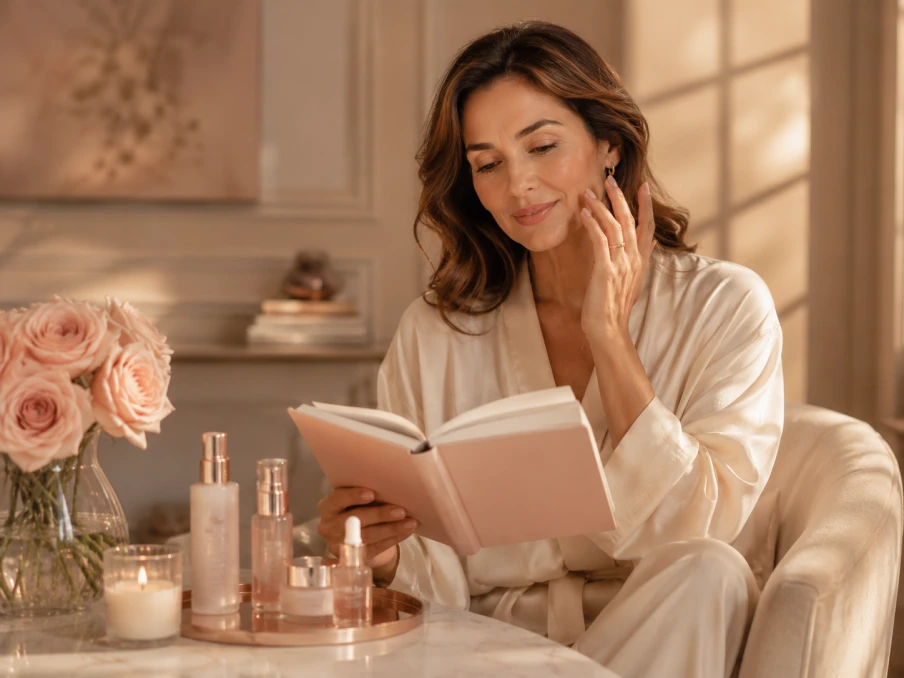
Beauty feels different when it becomes intentional instead of crowded. A beauty ritual routine asks what each step contributes to comfort. It also protects the emotional side of getting ready. Many rituals fail because they collect products without assigning jobs. The shelf looks full, yet the experience feels unclear. A steadier approach begins with an honest audit. What helps? What repeats? What drains energy? What deserves more space? Those answers shape a ritual that can last.
Why Beauty Ritual Routine Needs an Honest Audit
An audit is not a judgment of your habits. It is a quiet look at what actually happens. Some steps support the body. Some steps support confidence. Others survive only because they once seemed necessary. Naming each role makes editing easier. A personal beauty ritual becomes stronger when every step has work to do. Remove duplicate roles first. Keep the steps that create visible or emotional value. The ritual feels lighter. Your attention improves.
Begin by watching one ordinary week. Do not change anything immediately. Notice which steps you anticipate and which ones you avoid. Notice whether the ritual feels restorative, rushed, or performative. These reactions matter. They show where beauty care has stopped serving you. A ritual should not feel like a daily negotiation. It should offer a path back to yourself. Once patterns appear, editing becomes less personal. You are refining a system, not criticizing a person.
Prepare the Space Before Adding More Steps
Environment influences whether care feels restful or rushed. A cluttered counter can make a short routine feel longer. Poor lighting can encourage overcorrection. Hidden products can interrupt flow. A towel, mirror, and clean surface create immediate calm. Music or silence can mark the transition. The point is not perfection. It is readiness. When the space supports you, products work with less friction. Preparation turns care into a contained moment.
How Beauty Ritual Routine Uses Timing and Pace
Timing gives a ritual its shape. A rushed morning needs fewer decisions. A slow evening can hold richer textures. Some days allow layering. Other days need recovery instead of performance. Pace should follow energy, not fantasy. A slow beauty layering method helps products feel purposeful. Apply less when attention feels scattered. Add more only when the moment can hold it. The ritual becomes responsive. That responsiveness keeps it human.
Ritual pace also changes how products feel. A serum applied quickly can become just another task. The same step, given ten extra seconds, can become a signal to slow down. Texture, warmth, and scent become more noticeable when the body has time. That does not mean every routine must become long. It means attention matters. Even a short ritual can feel rich when it has a beginning and ending. Pace gives care emotional weight. It turns repetition into recognition. You remember that you are present.
Where Beauty Ritual Routine Balances Appearance and Comfort
Appearance matters, but comfort gives the ritual staying power. A glowing finish means little if skin feels tight. A polished look loses value when the process feels punishing. Balance begins by checking sensation, time, and mood. Products should support the day ahead. They should not demand a version of you that cannot show up. A comfort-focused routine leaves room for real life. Beauty then feels supportive. It stops feeling like pressure. That shift changes everything.
Use Reflection Without Turning Care into Homework
Reflection should be brief, specific, and kind. Notice what felt good. Notice what felt unnecessary. Notice which products created hesitation. A weekly review can take two minutes. It can happen while putting products away. You do not need a complicated scoring system. You need honest patterns. Those patterns help you replace products calmly. They also prevent emotional shopping. Reflection keeps the ritual personal. It turns small observations into better decisions.
Let Beauty Ritual Routine Stay Personal
A ritual loses power when it tries to copy another life. Your schedule, climate, skin, hair, and energy matter. Your preferences matter too. Some people enjoy scent. Others prefer quiet textures. Some want visible polish. Others want restoration. The best ritual respects those differences. It evolves without becoming chaotic. Patience lets the practice mature. Over time, care feels less like maintenance and more like self-trust.
Personal care becomes steadier when it stops chasing a borrowed ideal. You can admire inspiration without importing every detail. Choose the mood that fits you. Choose the textures that your body accepts. Choose the amount of effort that your week can hold. That honesty makes the ritual sustainable. It also makes results feel more meaningful. The practice becomes something you return to, not something you perform. Beauty gains depth when it belongs to real life. A refined ritual still leaves you recognizable.